If Europe continues developing digital talent at the current rate, we won’t reach the target of 20 million ICT specialists until 2051.

Twenty-one years past the Digital Decade goal. The message is clear: progress is happening, but not fast enough.2030

WHERE EUROPE STANDS TODAY

100 M

ICT Specialists by 2030

100 %

EU27 Labour Force 2025

Currently we are at 5% of the workforce being employed as ICT specialists

WHERE ARE OUR ICT SPECIALISTS?

Only 56% of our ICT specialists are employed in the ICT sector.


The rest of them are coming from manufacturing, professional services, finance and insurance, and wholesale and retail. So it’s quite a diverse distribution when we look at the importance of these areas

ICT Services

56%

Manufacturing

9%

Professional Services

7%

Finance & Insurance

6%

Wholesale & Retail Public Sector

5%

A CHANGING TRAJECTORY

Over the past decade, Europe has made significant progress.

Since 2011, the EU has doubled the size of its ICT workforce and substantially closed the gap with the United States.

The latest data for 2024 confirms that the upward trend continues.

The EU has nearly doubled its ICT workforce

Europe now has the second-largest ICT workforce in the world, surpassed only by China. While our percentage share may trail some regions, our absolute number of specialists is a major strategic advantage. Europe has scale and that matters.

We turned millions of data points into actionable insights, supporting policymakers, educators, industry leaders, and researchers in addressing one of Europe’s most pressing challenges.

THE SUPPLY PICTURE

Encouraging signs

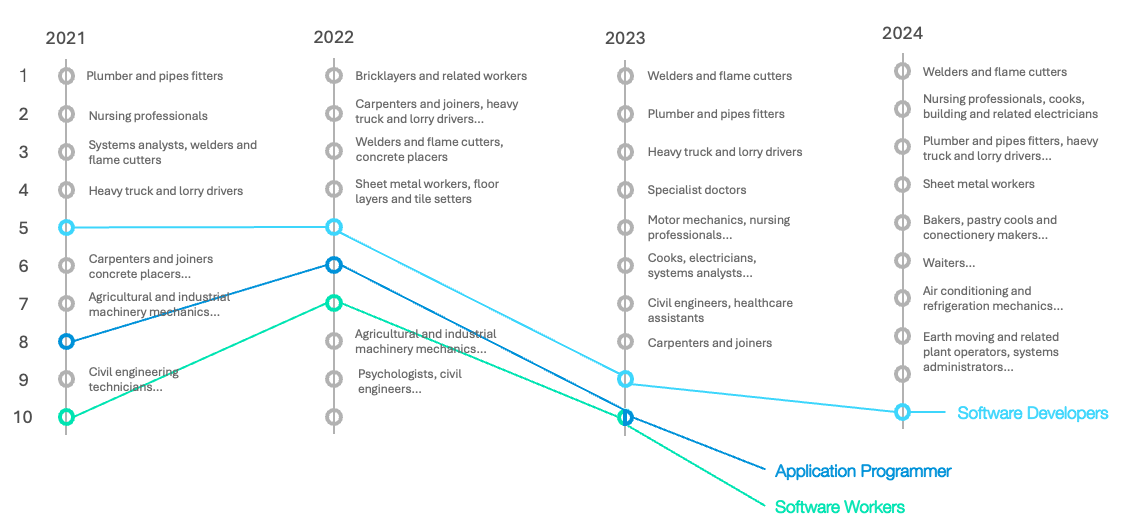
Some good news: digital occupations are becoming less likely to appear on Europe’s top shortage lists.

According to data from the European Labour Authority:

ICT roles have been moving down the list of hardest-to-fill jobs

In some countries, they’ve disappeared from shortage rankings entirely

This isn’t because demand is dropping, it’s because supply is finally rising

Top 10 occupation shortages

ICT jobs also show one of the strongest employment growth rates in the EU over the past three years, second only to hospitality-related roles.


A significant part of this growth is supported by talent coming from outside the EU, reinforcing the importance of international mobility and attracting skilled workers.

A LOOK INTO THE NEXT DECADE

Europe’s ambition doesn’t end with the Digital Decade. Beyond 2030, the next challenge is protecting and expanding the progress already made. By 2035, Europe will need:

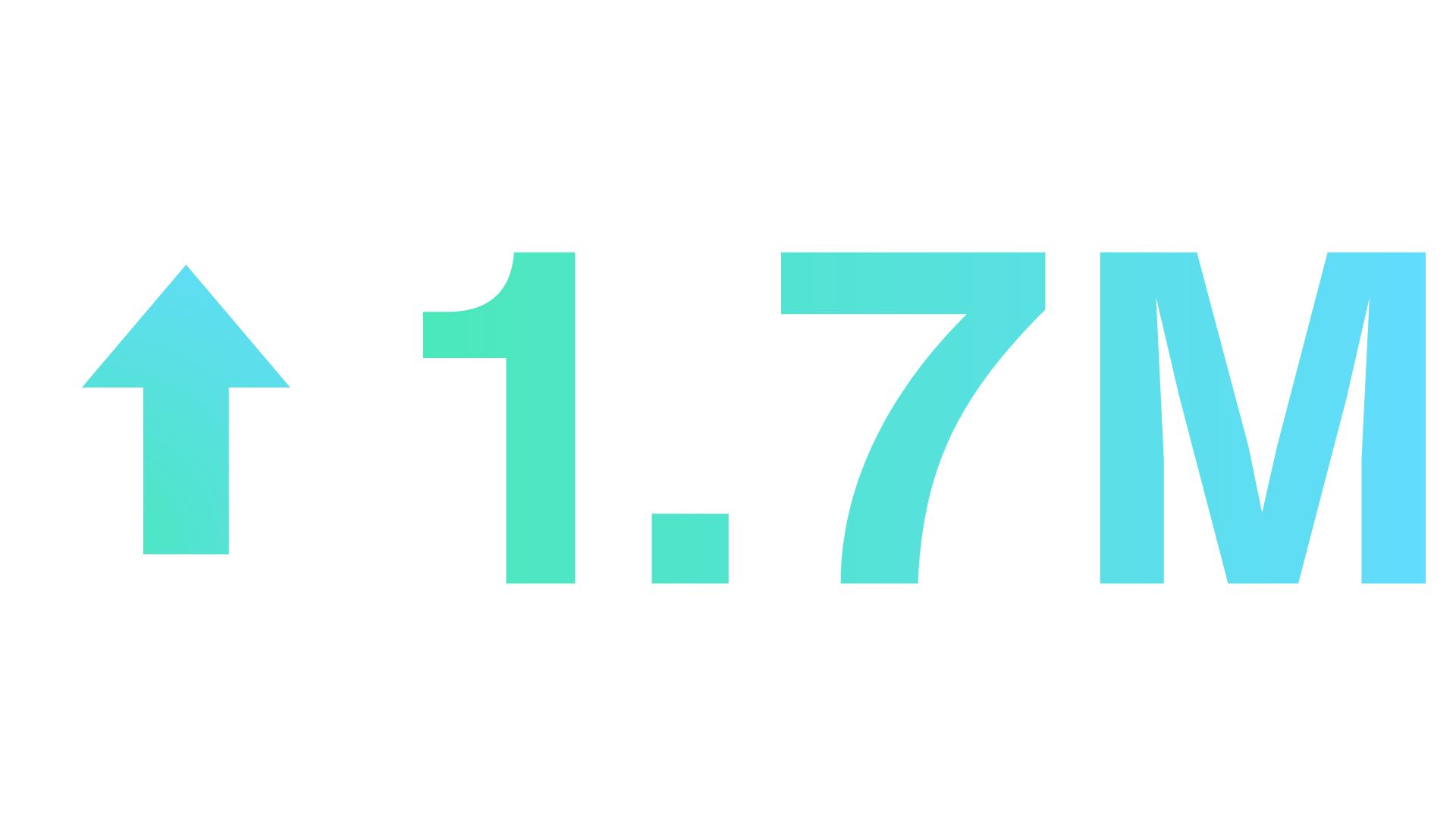
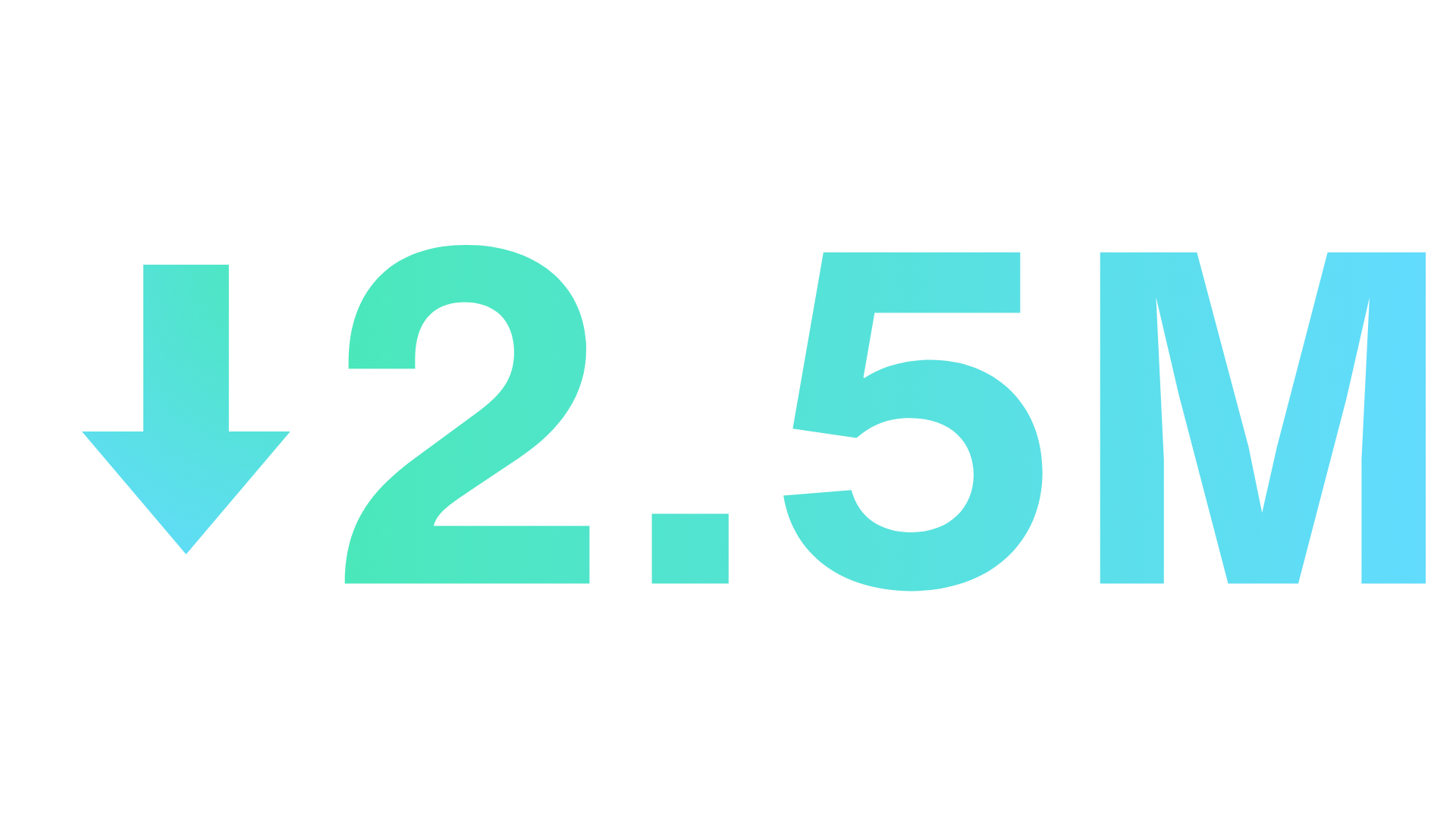
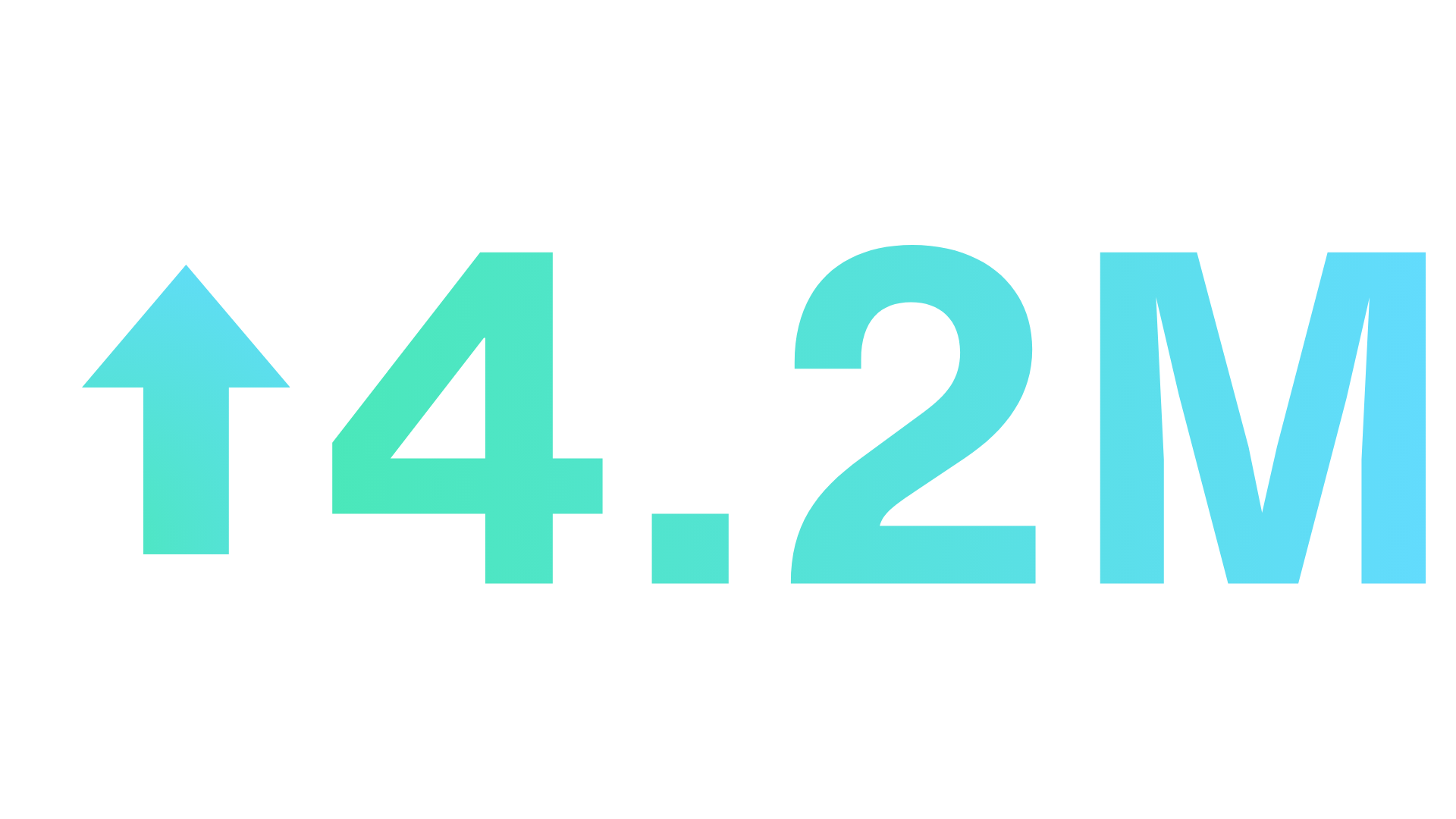
New additional ICT technicians and professionals

Replacements due to retirement or people leaving the field

ICT professionals needed just to maintain today’s level of digital capacity

THE GOOD NEWS?

ICT is one of the EU’s most efficient sectors for workforce investment. Replacement needs are lower than almost any other profession. Compare this with health care:

ICT roles require training or attracting 2,460 people for every 1,000 net new workers

Health professions require 5,000 people trained per 1,000 net additions

2x ROI

ICT specialist

Health professionals

TO KEEP AN EYE ON

Europe performs well in producing STEM graduates — but the trend has stalled. While we remain competitive globally, we are not accelerating. Meanwhile, the United States has significantly increased its STEM pipeline, raising concerns about long-term global competitiveness.

The challenge is even greater for ICT-specific fields, where graduate numbers are still far below what Europe will need over the next decade.

Warning 1

THE GENDER GAP: A GROWING CONCERN

Warning 2

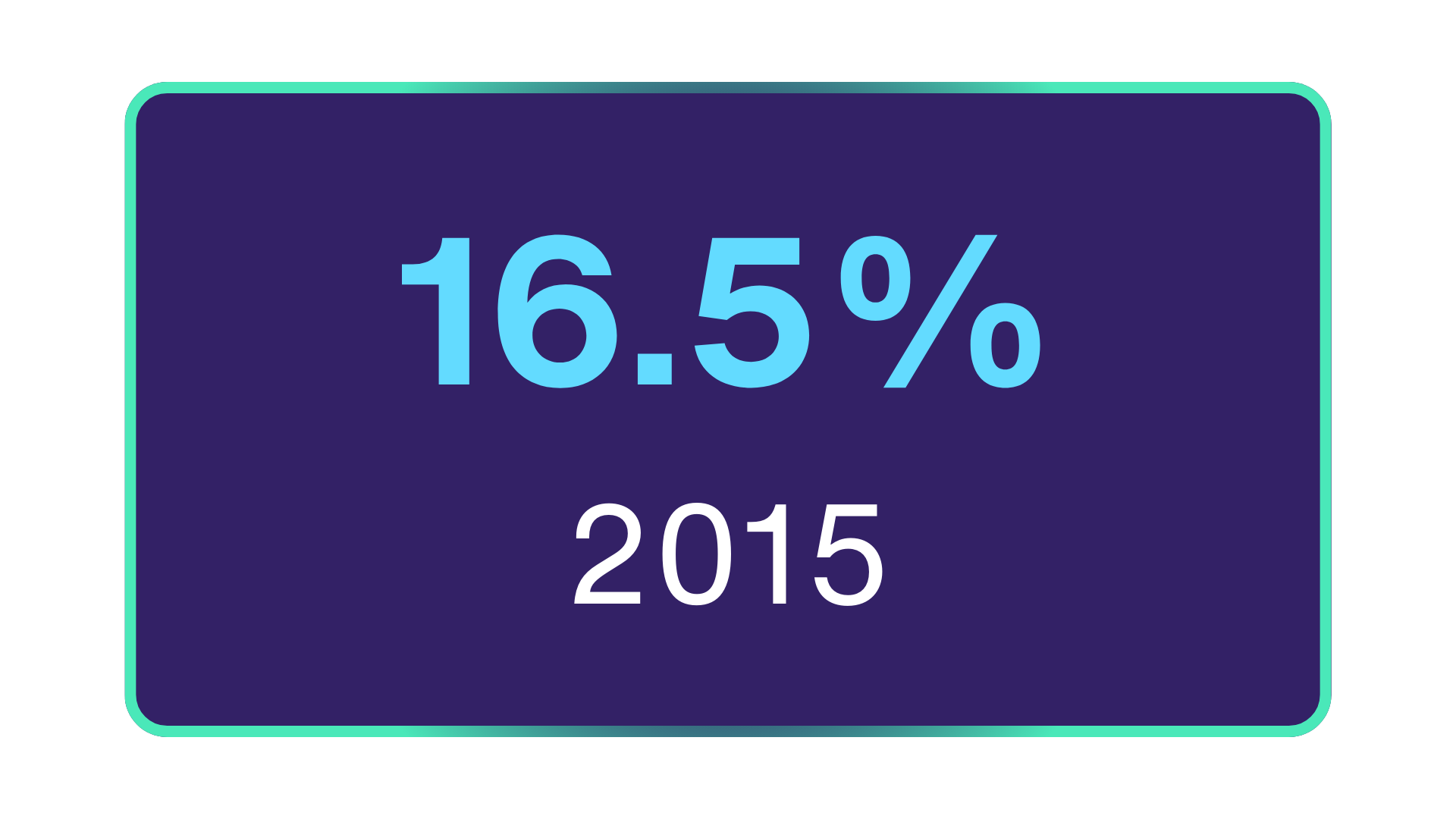
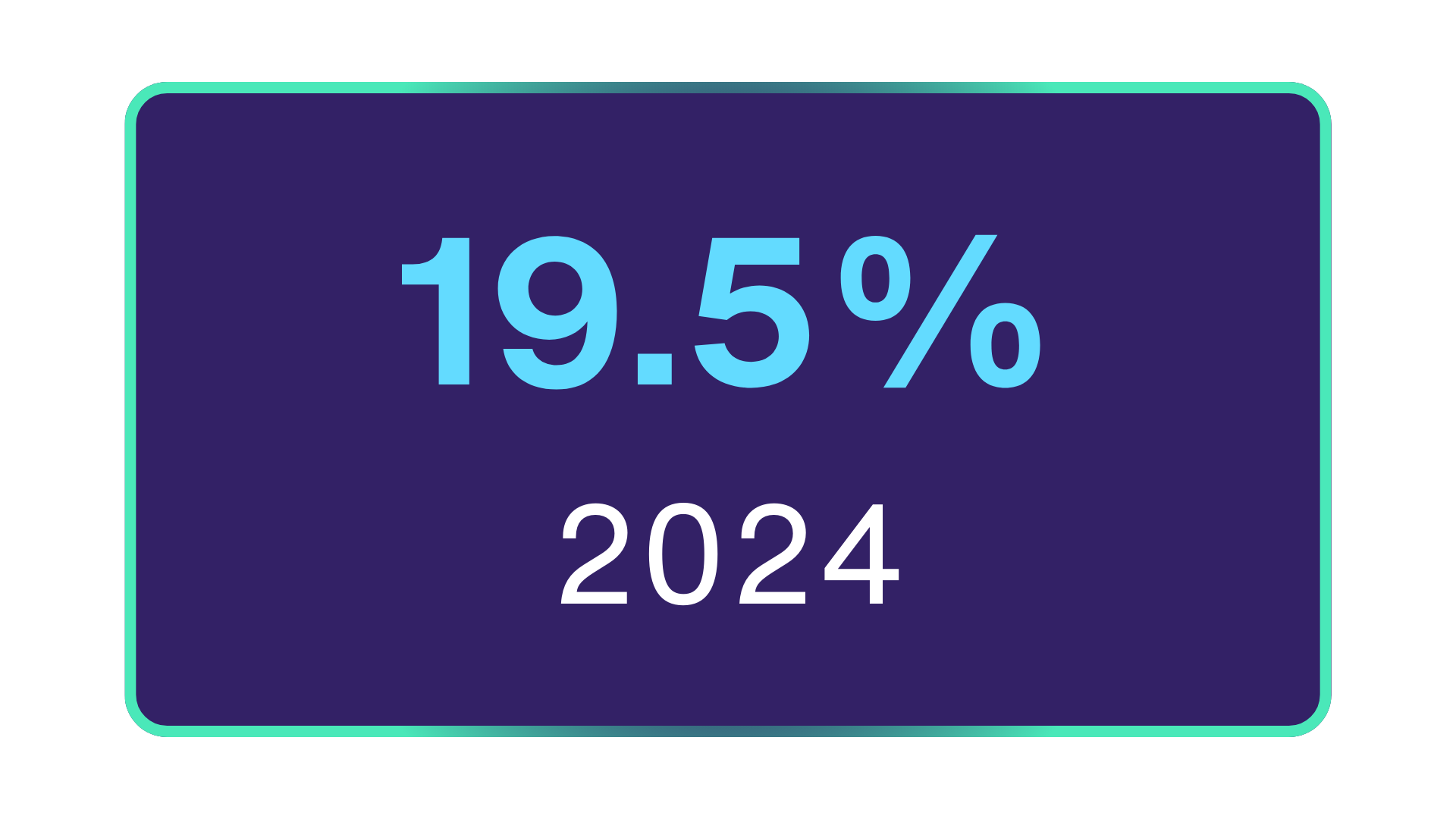
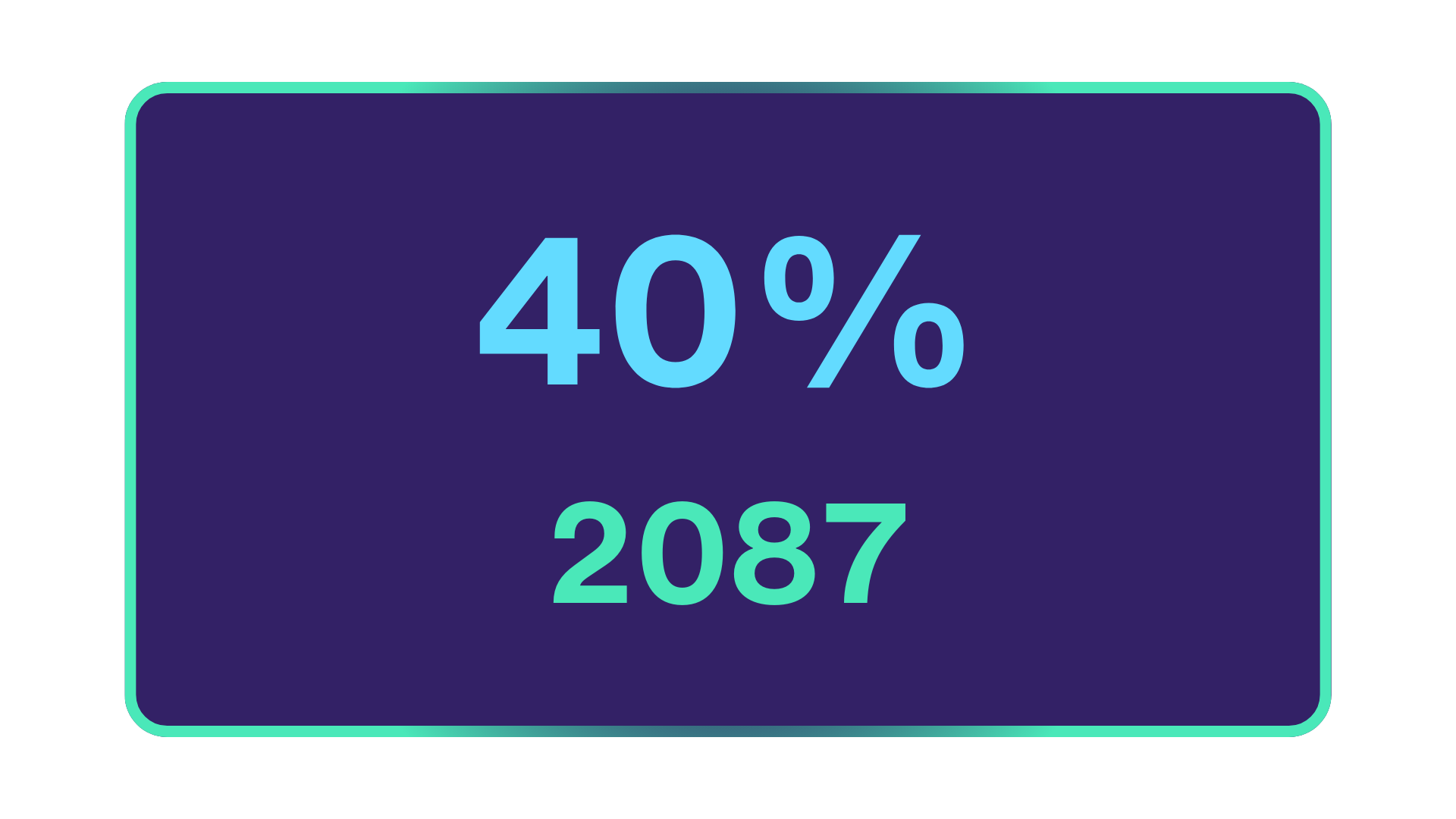
Women’s participation in the ICT workforce has inched forward over the past 10 years, from 16.5% to 19.5%. At this rate, reaching even 40% representation would take until 2087.


This slow progress underscores the need for stronger systemic interventions to ensure women are actively included, supported, and represented across the digital ecosystem.

Women ICT Specialists

THE BOTTOM LINE

Europe has momentum, scale, and strong policy ambition.

But the numbers show that meeting the Digital Decade targets requires accelerated action, deeper coordination and a renewed commitment to building an inclusive, resilient and future-ready digital workforce.